Article: What the Chagos Islands Deal Really Means for UK Foreign Policy
Introduction
If you asked the typical Brit what they knew of the Chagos Archipelago just over a year ago, you would likely receive a bemused response. Most, quite understandably, had never heard of the Indian Ocean atoll until news of Keir Starmer’s plan to cede the British territory to Mauritius hit the mainstream media.
I have followed the Chagos Archipelago for several years and was therefore familiar with its history and controversy long before it became a prominent political issue. Over the past year, reporting and speculation around a sovereignty deal have accelerated rapidly. This article aims to provide clarity, setting out the history and context of the sovereignty dispute, and then moving into a critical analysis of the government’s decision to cede sovereignty over the Chagos Islands.
Much is known about the British Empire’s historic legacy of global reach; less known, however, is its collection of fourteen, soon to be thirteen, British Overseas Territories. These far-flung places span the world’s continents, from the Caribbean to the South Atlantic, Europe, and the Pacific Ocean; they are small slices of Britain in every corner of the globe. The most famous, of course, is the Falkland Islands, which were the subject of a brutal conflict in 1982. Yet even among those familiar with the UK’s overseas territories, far fewer have heard of the British Indian Ocean Territory, or BIOT. There is a reason for this: in the 1960s, the Chagos Islands were quietly set aside by the British government to house one of the world’s most secretive military bases. That base, Diego Garcia, lies at the centre of a sovereignty dispute between the UK and Mauritius that, until recently, was largely overlooked.
For decades, this disagreement was treated as an “agree to disagree” situation, one unlikely to be resolved anytime soon. Successive British governments held firm in the face of Mauritian pressure at the international level. That, however, changed on the 22nd of May 2025, when at the UK’s Strategic Command Headquarters, Prime Minister Sir Keir Starmer signed a highly controversial deal to cede sovereignty of the Chagos Islands to Mauritius whilst retaining control of Diego Garcia. The agreement has ignited fierce debate, from the questionable legal basis for the transfer, to the absence of meaningful consultation with Chagossians, the expelled native inhabitants of the archipelago. These issues, and more, will be explored in the sections that follow.
Part 1 – A history of the Chagos Islands and its sovereignty dispute
The Chagos Archipelago comprises more than 55 islands and atolls, situated in the central Indian Ocean. The islands were initially colonised by the French, and in the late 1700s, enslaved people from Africa were brought to the uninhabited islands to work coconut plantations, forming the basis of a permanent community on the islands.
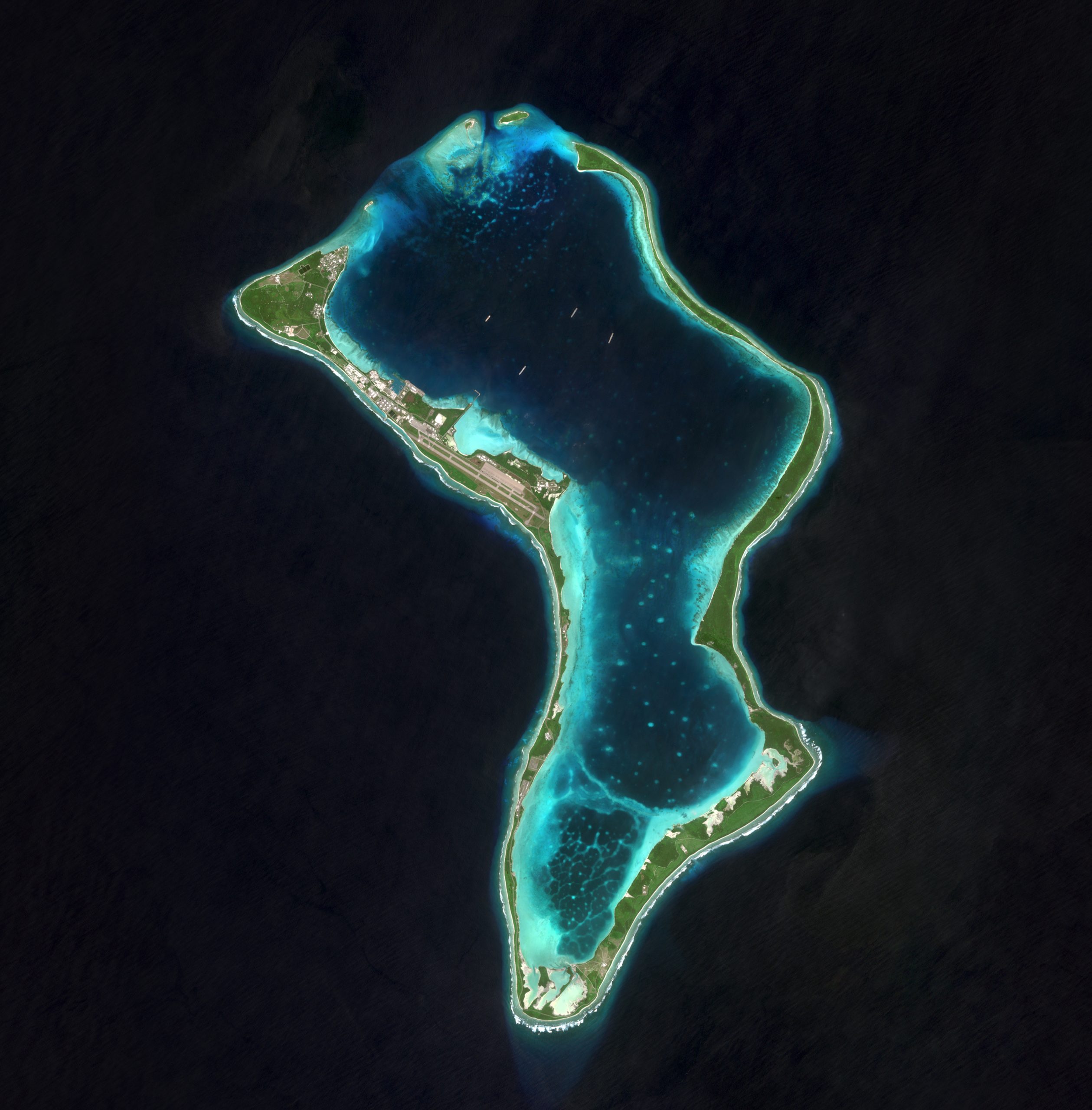
Under the 1814 Treaty of Paris, France ceded Mauritius and its dependencies, including the Chagos Archipelago, to Britain. For administrative purposes, Chagos was attached to Mauritius, also a British colony. This practice was common in the colonial era where, for example, the Cayman Islands were administered from Jamaica. Such arrangements were considered practical, as both territories were regarded as too small and remote at the time to warrant colonial administrations of their own.
British administration of the Chagos Islands continued largely uninterrupted from 1814 until the 1960s, by which time an estimated 500 to 1,200 Chagossians inhabited the islands. The 1960s were a period of major change in the world order. Britain was no longer the colonial power it once was. UN General Assembly Resolution 1514 called for worldwide decolonisation, and as part of this process, Britain began preparing to grant independence to its remaining colonies. Mauritius, from which the Chagos Islands were administered, was among the territories in a holding pattern for independence.
In 1965, as Britain prepared to grant Mauritius independence, attention turned to the Chagos Islands. Inside the UK Ministry of Defence (MoD), and in Washington at the US Department of Defence (DoD), officials saw an opportunity to establish a permanent military foothold in the Indian Ocean. To understand this decision, it is necessary to look at British defence doctrine of the time. In the late 1950s and early 1960s, the armed services were divided over how best to project power globally. The Royal Navy favoured investment in aircraft carriers to provide mobile, sea-based air power, while the Royal Air Force argued instead for fixed land bases spread strategically across the globe. The Treasury found the RAF’s position more persuasive. They argued that bases on islands, unlike ships, had permanence, and would not become obsolete within a decade as technology progressed. The 1957 Defence White Paper reflected this view, rejecting the Navy’s “carrier strategy” in favour of the RAF’s “island strategy.”
With support from Washington, the British government proceeded to separate the Chagos Archipelago from Mauritius prior to its independence. Under the Lancaster House Agreement, Britain paid £3 million in compensation to Mauritius in return for detaching the islands, which, for context, is equivalent to roughly £55 million in today’s terms. In 1965, a new colony was established: the British Indian Ocean Territory (BIOT). In return, Britain was to receive a heavy discount on its newly purchased “Polaris” submarine-launched ballistic missiles (SLBM’s) from the US Government.
Mauritian Independence and the Expulsion of the Chagossians
By 1968, Mauritius had achieved independence, while Chagos remained under direct British control. The British and American governments swiftly turned their attention to the development of a joint military facility on Diego Garcia, the largest island in the archipelago. However, before such development could commence, a major obstacle remained: the Chagossians. Having lived on the islands for more than 170 years, they considered the archipelago their home. For London and Washington, however, their presence was seen as incompatible with the creation of a secure, strategically vital base.
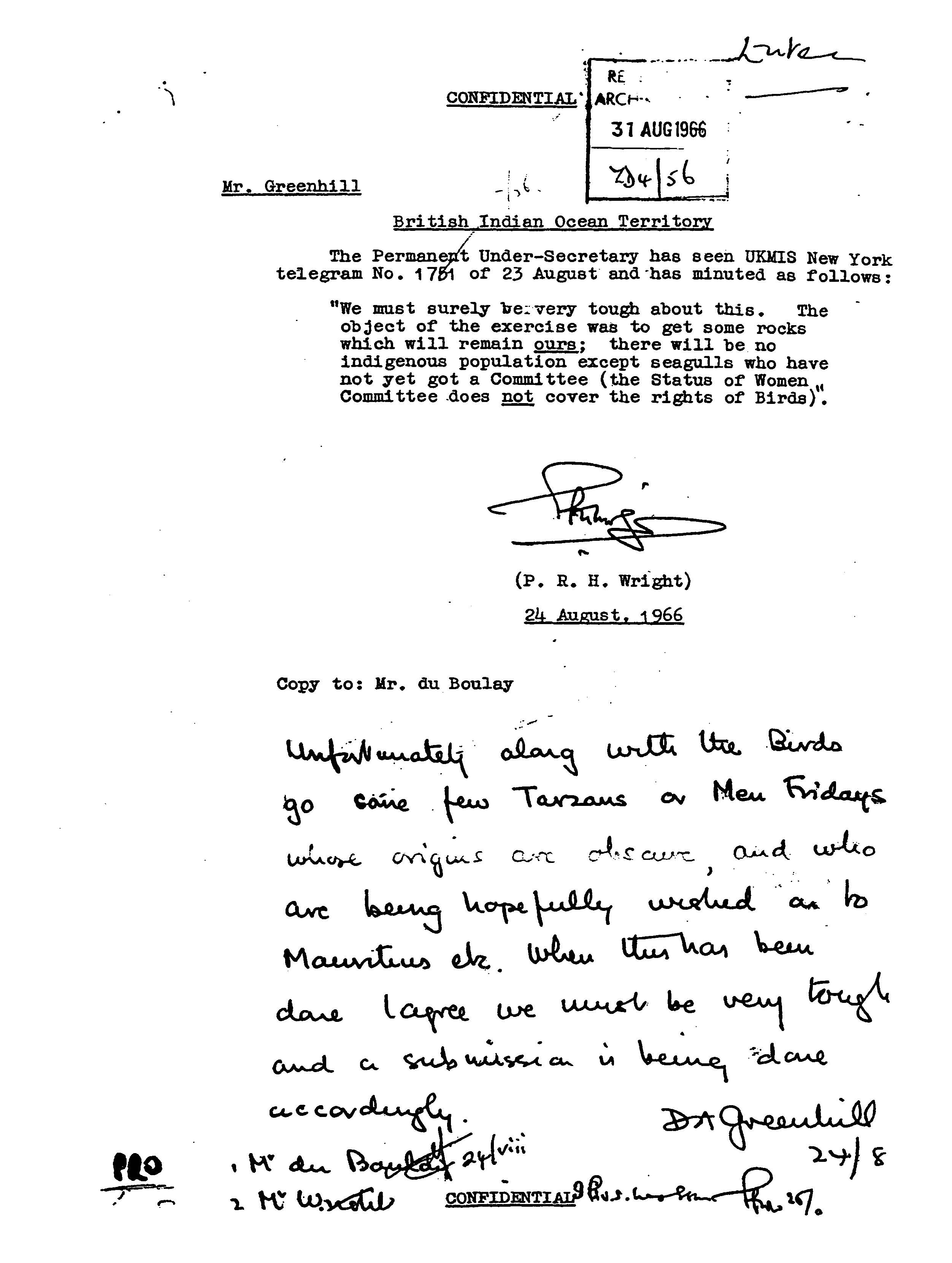
A now-infamous 1966 cable from British Foreign Service diplomat Dennis Greenhill (pictured above) revealed the staunch opposition of the indigenous population on Chagos. He described Chagossians as “Tarzans or Men Fridays” who should be “expelled” from the islands. He argued that characterising them as temporary plantation workers, rather than permanent inhabitants, would strengthen Britain’s legal case for removal. The British government’s objective, he bluntly wrote, was “to get some rocks which will remain ours.”
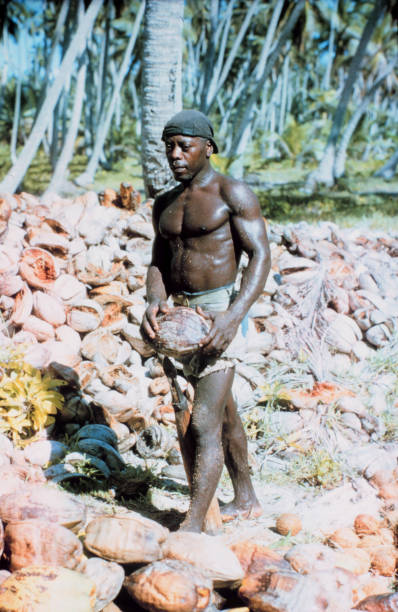
Between 1968 and 1973, the British government oversaw the forced removal of between 1,500 and 2,000 Chagossians. The process was carried out through a mix of coercion and direct expulsions. The British Government first tried to make living in the Chagos Islands unfeasible. Supply ships were withdrawn, plantations were purchased by the British Government, and then subsequently shut down under the BIOT 1967 Acquisition of Land for Public Purposes Act. Islanders were prevented from returning if they travelled abroad for work or medical care. Those who remained faced intimidation, shortages of food and medicine, and eventually forced extradition to Mauritius and the Seychelles. Testimonies from Chagossians describe homes being emptied and destroyed, pets gassed, and families rounded up under military supervision before being loaded onto cramped and dangerous cargo vessels. The treatment of the Chagossians was undeniably one of a “sub-human” population.
Diego Garcia: Building ‘Fantasy Island’
This brutal and systematic clearance of the indigenous population enabled the construction of the Diego Garcia base, which began in March 1971. A Pentagon planner, Stuart Barber, described Diego Garcia as “prime territory” for a military installation, being remote, strategically located at the centre of the Indian Ocean, and, crucially, emptied of its population. For its strategic value and secrecy, the base became known in defence circles as “Fantasy Island.”
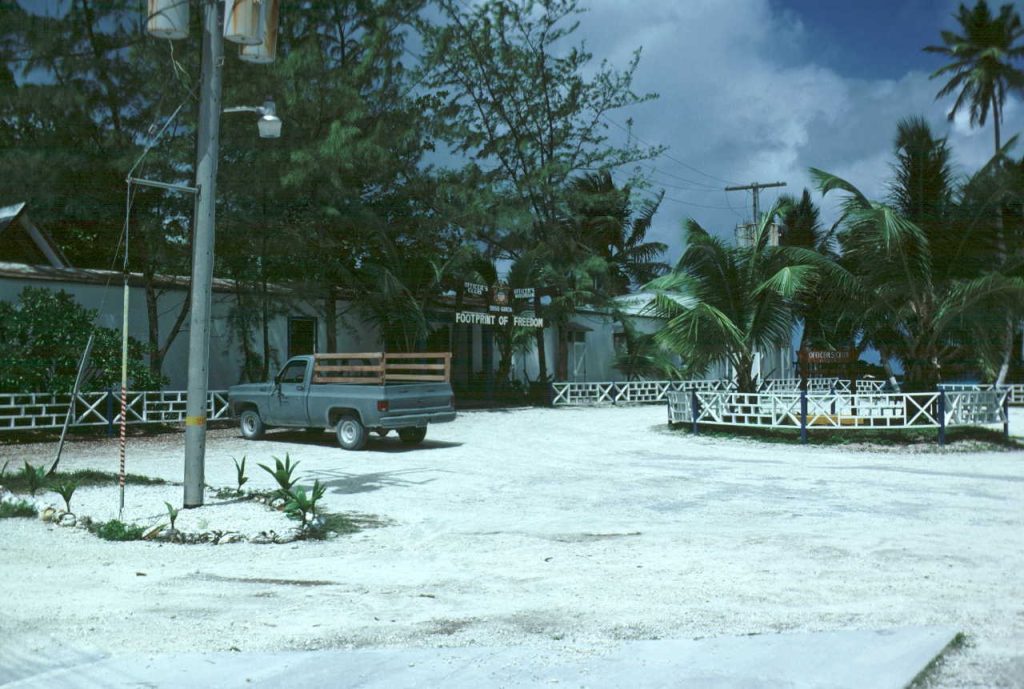
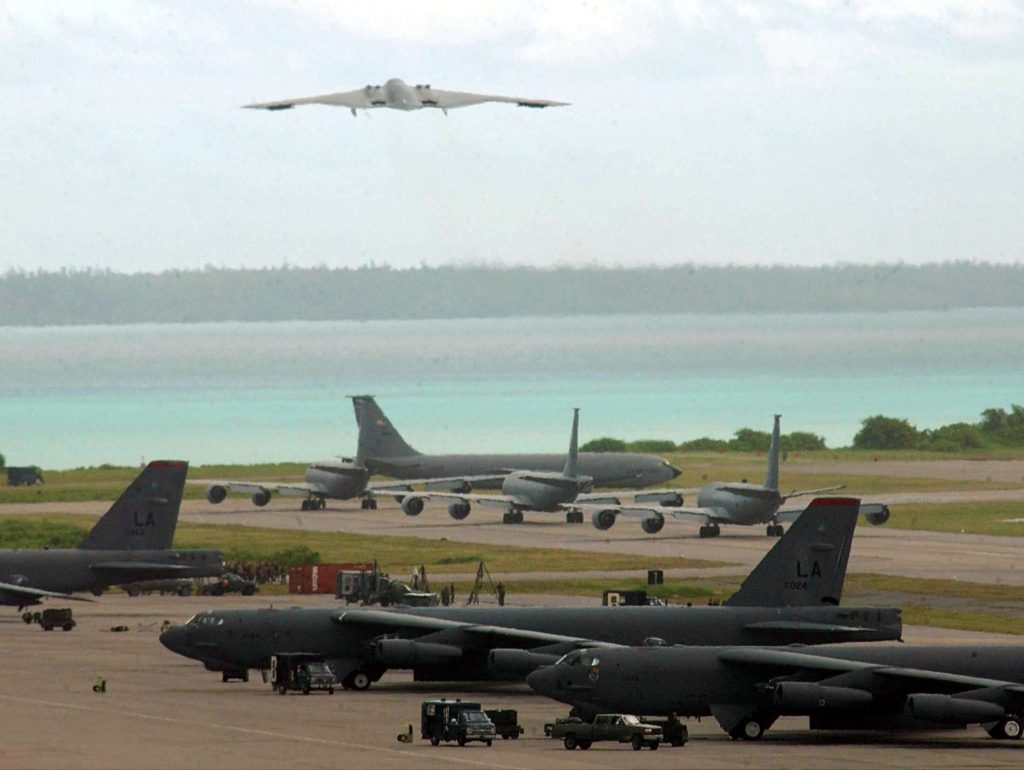
By 1973, Diego Garcia’s airfield and port facilities were complete, and the island began serving as a military hub. Investment in the base continued rapidly, with extensive additional infrastructure added over the following decades. Diego Garcia went on to play a central role in both Gulf Wars, serving as a staging post for British and American aircraft, and later supported operations in Afghanistan as both a logistics hub and a launch point for combat missions. Its geostrategic proximity to the Middle East, Africa, and Asia only increased its value, cementing Diego Garcia’s status as one of, if not the most, strategically important UK and US military assets worldwide.
The Legal Challenge: Mauritius vs. the UK
Since the early 1980s, Mauritius has begun challenging the UK’s sovereignty over the Chagos Archipelago. This support slowly intensified through the 1990s, with Mauritius gaining support from the African Union. At this stage, Mauritius, with support from other African nations, began investigating a legal pursuit to “claim back” the Chagos Islands. In 2010, the UK declared a Marine Protected Area (MPA) in the Chagos Archipelago, which is home to one of the world’s most uninterrupted and pristine marine habitats. Mauritius responded by bringing a case against the UK to the Permanent Court of Arbitration. This was mainly because the newly implemented MPA prevents Mauritian fishermen from fishing in the Chagos Archipelago, or for the Mauritian government to grant fishing permissions, with the UK able to control the territorial waters around the Chagos Islands.
In 2017, the catalyst for what would become a landmark judgment was set in place. The UN General Assembly, at Mauritius’ request, requested an advisory opinion from the International Court of Justice (ICJ) regarding who is rightfully sovereign over the Chagos Archipelago. The British Government was forced to represent itself at the ICJ, and after a two-year legal process, the ICJ gave its advisory opinion. The ICJ stated that the UK’s continued administration of the Chagos Islands was “unlawful”. This was because Mauritius argued that, as a colony, it had no reasonable means of standing up to Britain, as the colonial power, during the negotiations of the 1965 Lancaster House Agreement. Mauritius asserted that they were forced to “sell” the Chagos Islands to Britain under duress for the aforementioned £3m in 1965, and further to that, because the Chagos Islands were “detached” from Mauritius, the UK had not lawfully completed the total process of decolonisation. A total of 14 judges voted, 13 siding with Mauritius, and 1 with the UK.
As a result of this 2019 ICJ advisory decision, the court told the UK that it had an obligation to end its administration of the Chagos Islands “as rapidly as possible”. It also specified that the handover should be completed within a 6-month timeframe. It is essential to note that the 2019 ICJ opinion was advisory and non-binding. This means that Britain had no obligation to comply with the ruling, and so, didn’t. Despite the verdict, then-Prime Minister Theresa May dismissed the opinion as non-binding and argued that the agreement struck under the 1965 Lancaster House Agreement was legally binding. The UK did issue an apology for the treatment of Chagossians, describing it as “shameful”, and established a compensation scheme via the Mauritian government. The Prime Minister, as well as the US, reaffirmed the critical importance of the base at Diego Garcia for British and American defence, and therefore strongly opposed the international pressure that the 2019 ICJ ruling carried.
Despite the British government’s resolute dismissal of the ICJ ruling as non-binding, it was viewed as a significant victory in Mauritius. The then Prime Minister, Pranvid Jugnauth, said that the verdict was “a historic moment for Mauritius and all its people”. The most significant impact the 2019 ICJ opinion had, over and above anything else, was putting the Chagos Islands dispute “on the map”. Mauritius used this victory as fuel and kept persisting with its claim for the territory. In May 2019, Mauritius secured a UN General Assembly Resolution demanding that the UK end its rule over the Chagos Islands within 6 months.
It is essential to recognise the significant impact Brexit has had on the ICJ ruling and the UN General Assembly vote. Britain was already on “thin ice”, diplomatically, with what it might have previously expected as staunch allies in the UK-Mauritius sovereignty dispute; however, key European states such as France, Italy, Germany and Spain all refused to commit their support in favour of Britain. The 2019 ICJ ruling put Britain on the defensive diplomatically, gained worldwide recognition for Mauritius, and heightened international scrutiny of the UK’s moral standing.
From Truss to Sunak: The Shifting British Position
Liz Truss’s time in Number 10 lasted only 45 days, remembered mainly for the economic turmoil she and her Chancellor, Kwasi Kwarteng created. Yet, overshadowed by the collapse of the British economy, her government quietly took a historic step: launching sovereignty negotiations with Mauritius over the Chagos Archipelago. On the 3rd of November 2022, Foreign Secretary James Cleverly confirmed that the UK and Mauritius would begin talks “to secure an agreement on the basis of international law to resolve all outstanding issues.” It was, in effect, the opening of Pandora’s box – the first serious reconsideration of UK sovereignty over an overseas territory since the 1997 handover of Hong Kong.
When Liz Truss’s brief premiership came to an end, responsibility for the Chagos negotiations passed to her successor, Rishi Sunak. Entering office amid the political and economic fallout of Truss and Chancellor Kwasi Kwarteng’s failed fiscal programme, it can be fair to say that Sunak’s immediate priorities lay elsewhere. As a result, sovereignty talks with Mauritius appeared to slip down the government’s “to-do list”. Nevertheless, over the course of his tenure in Number 10, the Foreign Office conducted 11 rounds of negotiations with Mauritian officials. The details of these talks remain unknown, owing to the sensitivity of Diego Garcia’s role in UK and US defence strategy, and the classified capabilities the base possesses. What is clear, however, is that Sunak’s government adopted a tougher, more cautious stance than the Labour government that would follow. Reports suggest that the two sides remained far apart in their positions, with Mauritius and the UK holding sharply different visions for the archipelago’s future.
David Cameron’s U-turn and the End of Negotiations
On 13 November 2023, Sunak surprised Westminster by bringing former Prime Minister Lord David Cameron back into frontline politics as Foreign Secretary. Cameron was no stranger to the Chagos question. As Prime Minister, he had presided over Ministry of Defence feasibility studies which concluded that resettling Chagossians on the outer islands, while excluding Diego Garcia, would pose unacceptable security risks to the operation of the base. He also had first-hand experience of the island’s strategic importance, having relied on Diego Garcia during military operations in the Middle East and Libya.
As Foreign Secretary, David Cameron quickly built a close working relationship with US Secretary of State Anthony Blinken. The United States, as the joint operator of Diego Garcia, has a deep and longstanding stake in the island’s future – one that dates back to the base’s creation in the 1960s. Diego Garcia remains central to the transatlantic defence partnership, serving as a hub for operations across the Middle East and Indian Ocean.
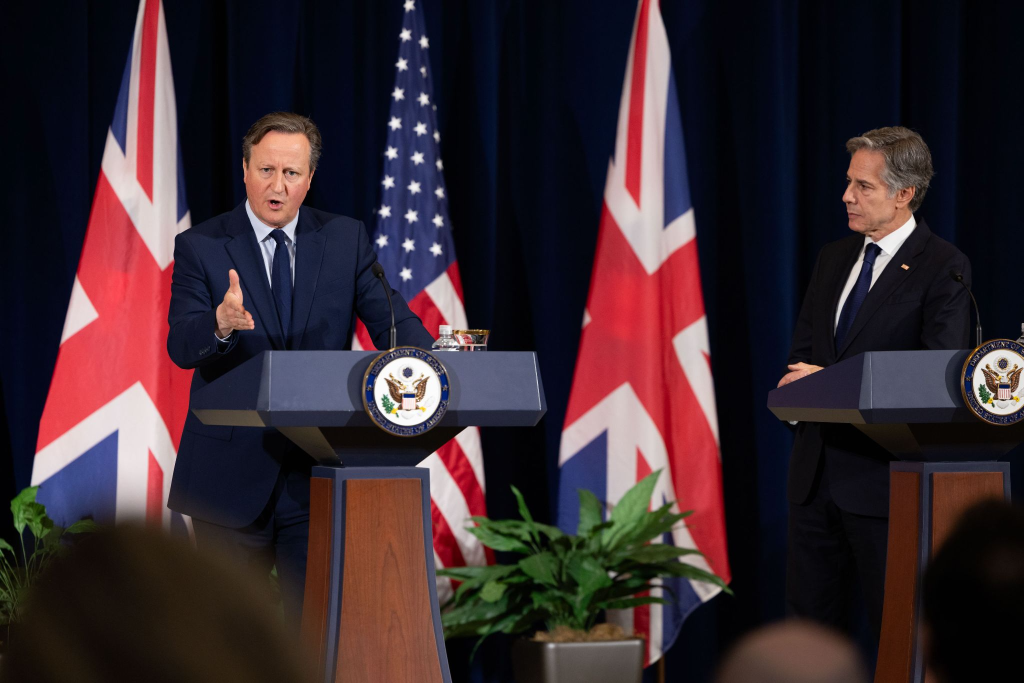
During a visit to Washington, Cameron and Blinken held a joint press conference, where reporters raised the Chagos issue. Cameron’s response marked a striking shift. Rather than reaffirming the UK’s willingness to continue negotiations with Mauritius, he appeared to signal that the talks had effectively stalled: “When foreign secretaries and secretaries of state get together, they often discuss the importance of the assets that we share and use around the world, and that is an important one, and we touched on that this afternoon.” Blinken reinforced the message, pointedly stating: “The US recognises UK sovereignty over the British Indian Ocean Territory.”
This joint position was soon echoed back in London. Reports emerged that Cameron, together with Defence Secretary Grant Shapps, had agreed that any sovereignty deal with Mauritius risked undermining the UK’s security interests. Between them, they appeared to have drawn a line under further negotiations, marking a dramatic U-turn in the British Government’s position.
From this point forward, it appeared that the Union Jack would continue to fly over the Chagos Islands, at least for the foreseeable future. In an interview with LBC, Conservative MP Mark Francois, a former Armed Forces Minister part of the MoD negotiation delegation, revealed that both Grant Shapps and Lord Cameron regarded the proposition of a sovereignty transfer as “strategic madness”. It is evident that the views of Ministers appointed by Rishi Sunak contrasted sharply with those appointed by Liz Truss. Francois explained that the Foreign Office had, on multiple occasions, drafted potential agreements with Mauritius. However, whenever these proposals were presented to the Ministry of Defence, the MoD rejected them outright. The MoD cited that the secure operation of the base would be impeded by a sovereignty transfer, not only by placing it under foreign jurisdiction, but also by permitting the resettlement of the outer islands. Defence officials feared that, if inhabited, these islands could not be effectively monitored. There would be no realistic proposition for the UK to stop hostile states such as China, Iran or Russia from spying on, or interfering with operations at Diego Garcia.
The 2024 General Election and Labour’s Approach
On 22 May 2024, standing on the steps of Downing Street in the pouring rain, Prime Minister Rishi Sunak made the bold move of calling a snap election. He announced that on the 4th of July, the British people would have their chance to decide who should run the country. And so, on that day, Britain voted. The result? A resounding landslide majority for Sir Keir Starmer’s Labour Party, winning an unprecedented 412 seats out of 650 total candidates.
This outcome, however impressive, came as no surprise. It had long been evident that Rishi Sunak, despite a valiant effort, could not reverse the damage of 14 years of Conservative mismanagement, scandal, and decline during his 20 months in office. This moment, as historic as it was, also served as yet another twist in the ongoing Chagos saga.
With a new government, inevitably come shifts in both domestic and foreign policy. Labour, under Sir Keir Starmer, fiercely campaigned as a very centrist party, presenting itself as a “changed Labour Party,” no longer a party of protest but one of governance. A credible alternative to the Conservatives, not seen since the Blair era. Yet, beneath the rebranding, Labour retains roots on the left of the political spectrum. After all, 168 of Starmer’s MPs previously served under Jeremy Corbyn, including senior figures such as Foreign Secretary David Lammy and Deputy Prime Minister Angela Rayner. This makes it clear that, whatever the campaign branding, Labour’s instincts on the future of the Chagos Islands were likely to diverge from those of the Sunak government.
The Labour–Mauritius Deal: Negotiations and Controversy
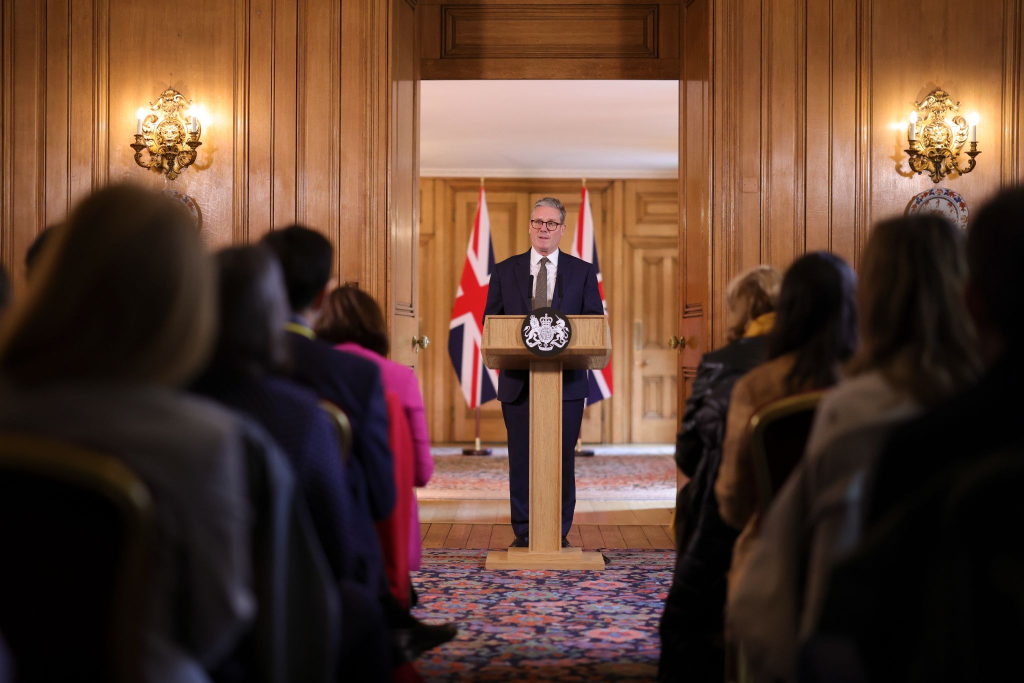
The first public step toward transferring sovereignty over the Chagos Islands took place on October 3rd, 2024, when Keir Starmer’s UK government issued a joint statement with Mauritius, announcing their intention to reach an agreement. At the time, the deal was presented as a straightforward handover of sovereignty to Mauritius while ensuring continued UK control of the strategic military base on Diego Garcia.
Despite the official framing, the initial announcement provoked domestic outrage. Prominent commentators and opposition figures condemned the government’s willingness to cede sovereignty over a territory of immense strategic value. Nigel Farage branded the proposal “a betrayal of British security interests.” At the same time, Conservative leader Kemi Badenoch denounced it as a “surrender deal” that forced taxpayers to “pay the price of giving up sovereign territory.” Inside Parliament, the debate was sharpened by broader frustrations over domestic policy. Labour MPs, already outraged by cuts to winter fuel payments, questioned whether it was defensible to their constituents to commit billions to lease payments on Diego Garcia at a time when pensioners were facing hardship, particularly given that the base had previously been a freehold British asset.
Further to this, the international diplomatic landscape further complicated the progress of the deal. In Mauritius, a change in leadership led to a disruption of the previously agreed-upon terms. Following the 2024 general election, Navin Ramgoolam assumed the premiership on the 13th of November 2024, and his administration demanded a reassessment of the draft agreement. Ramgoolam’s government sought stronger legal guarantees regarding the British military base, more control over surrounding maritime resources, and assurances that Mauritius could leverage the territory for economic benefit, including fisheries and potential lease payments from the UK and US. It is reported that Ramgoolam demanded the UK “frontload” some of the payments, paying multiple years’ lease payments as an upfront lump sum. Furthermore, the deal being inflation-linked was a key concession he demanded from the UK negotiators. Negotiations subsequently stalled as UK officials worked to reconcile these demands with operational security concerns for Diego Garcia, as well as a financial two-and-fro.
Simultaneously, the United States, co-operator of the base, was preparing to transition to a new administration under President Donald Trump, who took office in January 2025. Given Trump’s strong focus on American strategic interests, UK officials feared he might reject the deal outright. There was extensive speculation that Trump would leverage approval as a bargaining chip for concessions on intelligence sharing or defence funding. The possibility of rejection added political tension in London, where domestic commentators questioned whether Labour’s planned handover could withstand U.S. scrutiny.
Amid these international pressures, domestic public opinion remained divided. Some on the left of the British political spectrum, such as Jeremy Corbyn, saw the deal as morally overdue, correcting the UK’s alignment with international law. In contrast, others, such as Kemi Bedenoch and Nigel Farage, framed it as a reckless gamble with national security and a needless giveaway of British sovereign territory. Concerns emerged over Mauritius’s geopolitical alignment, with analysts noting that the island nation had begun cultivating economic and military ties with China. In the UK and the US, the main fear widely cited by defence experts was the potential for Chinese interference on Diego Garcia if the sovereignty of the Chagos Archipelago were to be ceded to Mauritius. Furthermore, there were also concerns about the deal’s finances, with speculation about the potential costs of leasing payments for continued use of Diego Garcia. MPs from all parties expressed concern, with some of Keir Starmer’s own MPs continuing to question the necessity of paying to cede sovereignty over UK territory, at a time when Winter Fuel payments were being stripped from pensioners, something that remained a very controversial policy within Labour’s ranks at the time.
After weeks of speculation, the Prime Minister travelled to Washington to secure Trump’s approval. In the Oval Office, Trump eventually signalled his support, remarking, “We’re inclined to go along with your country,” while stressing the strength of the 99-year lease. For No. 10, the visit was portrayed as a diplomatic triumph; critics, however, called it a humiliation, arguing that Britain had paid a heavy price, while the US footed none of the costs.
On the eve of ratification, the process encountered one final legal obstacle. Two Chagossian nationals filed for emergency relief in the High Court, arguing that the government could not lawfully dispose of their homeland without their consent, raising substantive human rights and procedural concerns. A short-lived injunction briefly delayed the signing on the 22nd of May 2025, resulting in a flurry of media coverage and dramatic legal theatre in London. After a supplementary hearing later that day, the injunction was lifted, allowing the government to proceed with signing the deal.
That afternoon, after months of negotiation, review, and coordination across multiple governments, the UK and Mauritius signed the formal agreement on 22 May 2025 at the UK’s Strategic Command Headquarters. The treaty transferred sovereignty of the Chagos Islands to Mauritius while allowing the UK to retain operational control of Diego Garcia under a long-term lease, for an initial period of 99 years, extendable by another 40 years thereafter. Britain was to pay an average of £101 million per year for the next 99 years to maintain the base on Diego Garcia. This was a critical point, as until then, there had been only speculation regarding the finances of the lease agreement. The signing marked the end of decades of legal, political, and strategic debate over the territory; however, the agreement also raised new questions about security, Chagossian rights, and the balance of influence in the Indian Ocean.
Part 2 – Critical Analysis:
What the Deal Means for UK Foreign Policy
The Chagos Islands deal marks one of the most consequential shifts in British foreign policy since the great wave of decolonisation in the 1960s and 70s, and arguably, a symbolic return to it. Yet beneath the moral language of “decolonisation fulfilled”, the decision exposes a troubling pattern in British diplomacy: a willingness to allow international institutions, external pressures, and perceived moral imperatives to dictate strategic policy.
In defending the agreement, Prime Minister Sir Keir Starmer and Defence Secretary John Healey told Parliament that the threat of future adverse legal rulings had forced the government’s hand. These rulings, they argued, might have constrained the operation of Diego Garcia or even allowed “countries like China to establish bases in the outer islands.” That claim, however, collapses under legal scrutiny. If there had ever been a credible legal basis upon which Mauritius could have obtained a binding judgment against the United Kingdom at the International Court of Justice, it would have done so long ago. The fact is that no such basis exists, nor has it ever existed. This is precisely why Mauritius was forced to seek an advisory opinion from the ICJ in 2019, rather than a binding judgment. Its decision to pursue this non-binding route was not a choice of convenience but one of necessity. Had Mauritius possessed a legitimate legal avenue for a binding ruling, it would have seized it immediately, as doing so would have dramatically strengthened its negotiating position.
The reality is that Mauritius knows it cannot obtain such a ruling without the United Kingdom’s express consent, something the UK is under no legal or moral obligation to provide. The long-standing British policy, as reflected in its reservation under Article 36 of the ICJ Statute, explicitly prevents binding adjudication on disputes with other Commonwealth members unless the UK agrees to it. An astute negotiator, understanding this fundamental legal protection, would have realised that Britain’s position was far stronger than portrayed by the government. To declare publicly that the UK was compelled to act out of fear of future legal claims was not only inaccurate but also strategically naive. In truth, it is Mauritius, not Britain, that lacks a binding legal footing.
The government’s narrative, therefore, does not hold up. The British Indian Ocean Territory was not, and could not be, subject to a binding ICJ judgment. The argument that the base’s legal ambiguity endangered its operational security is similarly weak. Diego Garcia has functioned for six decades under the same conditions, during which time it supported missions in the Gulf, Afghanistan, and across the Indo-Pacific without disruption. The base’s security is underwritten by Anglo-American cooperation, not by international court rulings.
There are further logical flaws in the government’s public rationale for the deal. Foreign Office Minister Stephen Doughty argued that “a financial element was crucial,” claiming that without payment, adversaries would jump at the chance to “establish outposts on the outer islands”, with a newfound guise of legality on their side. This statement is as illogical as it is revealing. It imagines a scenario in which the UK transfers sovereignty without financial compensation and, in doing so, implicitly concedes that Mauritius might violate the terms of the very treaty it has just signed. By that logic, the government acknowledges that the future security of Diego Garcia depends entirely on Mauritius’s willingness to comply, and that such compliance must be continuously purchased.
If that is the case, then any deal that transfers sovereignty over the Chagos Islands inherently jeopardises the long-term security of the base. The UK would, by its own admission, be tying the operational stability of one of its most important strategic assets to the financial expectations of a foreign government whose geopolitical alignment may shift over time. In essence, the government has created a precedent in which sovereignty can be bartered, not secured – an approach that raises profound questions about Britain’s foreign policy judgment and its understanding of strategic permanence.
When pressed on these inconsistencies, ministers appeared to pivot to a new line of reasoning. They suggested that the UK risked losing its rights to the electromagnetic spectrum in the Chagos region, potentially affecting satellite, radar, and communications operations. While technically possible (the UN’s International Telecommunication Union, or ITU, can reassign frequency allocations), the likelihood of this disrupting military communications is vanishingly small. Britain and the United States routinely operate in contested electromagnetic environments, including regions far more hostile than the Indian Ocean. The claim that a legal technicality could cripple the base’s communications is implausible.
If the legal and strategic justifications are weak, the financial implications are far more tangible. Under the new arrangement, the UK will pay approximately £101 million per year for 99 years to lease back what was previously its own territory. This amounts to an outlay exceeding £10 billion in real terms. For context, the annual operating costs of the British Indian Ocean Territory between 2018 and 2021 averaged just £3.4 million. Even accounting for inflation and the costs of infrastructure maintenance, the new financial burden is extraordinary. Ministers have sought to downplay it, noting that the sum represents only 0.2% of the Defence Budget, and arguing that similar or higher rents are paid for overseas bases, such as France’s installation in Djibouti. Yet this logic misses the point. The UK has voluntarily imposed on itself a recurring cost to maintain access to a facility it once owned outright.
For perspective, £101 million per year, the annual cost of the surrender of the Chagos islands, could pay for 3,068 new teachers, 3,253 new nurses or 1,975 police officers. This shows a vivid measure of opportunity cost for the British Government. In defence terms, this is money that could have modernised fleet capabilities, bolstered cyber defence, or financed recruitment, yet it is instead being redirected into an avoidable lease arrangement.
Furthermore, several concerning provisions within the treaty warrant closer scrutiny. One clause reportedly obliges the United Kingdom to inform Mauritius of all military activities conducted from Diego Garcia. This requirement raises serious questions about the reliability of Mauritius as a long-term security partner. Under the current terms, there are no legal safeguards preventing Mauritian authorities from disclosing sensitive operational information to third parties, whether deliberately or inadvertently. Such an arrangement could expose the United Kingdom and its allies to significant intelligence risks.
Mauritius’s growing economic and diplomatic ties with countries such as Iran and China heighten these concerns. Diego Garcia has long served as a launch and logistics hub for U.S. operations in the Middle East, including missions involving B-2 Spirit bombers and KC-46A aerial refuelling aircraft during contingencies related to Iranian nuclear facilities. Given this strategic role, the prospect of operational information being shared, even indirectly, with states hostile to Western interests is deeply troubling. The question must therefore be asked: how can Britain be certain that future Mauritian governments will remain aligned with its security objectives and those of its allies?
Beyond the economics lies the broader diplomatic cost. The UK has presented the Chagos deal as an act of moral leadership. Proof of its commitment to a rules-based international order and a gesture toward the Global South. Yet this narrative may backfire. By surrendering sovereignty under political pressure rather than legal compulsion, Britain risks appearing reactive and insecure, setting a precedent that may embolden future challenges to other territories, such as Gibraltar or the Falklands. By facilitating international organisations such as the ICJ in resolving sovereignty disputes when they have no jurisdiction to do so, it opens a previously non-existent avenue of attack for other UK Overseas Territories. If Mauritius is successful in gaining sovereignty over a territory it never actually “owned”, it truly does “Open Pandora’s Box”. Other critical UK bases, such as the Sovereign Base Areas in Cyprus, have been voluntarily opened to international dispute and scrutiny. For allies, particularly the United States, it signals a partner more willing to trade strategic leverage for international approval. For adversaries, it offers a case study in how sustained diplomatic and moral pressure can extract concessions from a Western power once regarded as resolute.
The geopolitical dimension cannot be ignored. The decision to hand sovereignty to Mauritius, a nation with deepening ties to China, effectively transfers control of the surrounding maritime zone to a government whose strategic alignments are less certain. While the lease guarantees Diego Garcia’s operational continuity for the foreseeable future, Britain and the US are now, in effect, tenants on an island whose sovereign owner has every incentive to balance between rival powers. In an era when the Indo-Pacific is increasingly defined by great power competition, this is not a reassuring position.
Operational and Diplomatic Rationales: Why Whitehall Thought It Safeguarded the Base
While the government’s legal justifications for the deal are weak, there are several practical reasons why Whitehall may have believed the agreement would help to “safeguard” Diego Garcia in a broader operational sense. These reasons are not purely legal but are more diplomatic and geopolitical, aimed at enhancing Britain’s moral standing on the world stage.
Firstly, this deal aids Britain’s international legitimacy. Diego Garcia has long been viewed by many states, particularly within the African Union, as a relic of colonialism. Since the 2019 ICJ advisory opinion declared Britain’s administration “unlawful,” a growing number of countries have become reluctant to cooperate militarily or logistically with operations based in the Indian Ocean. Regular coalition missions against piracy, arms trafficking, and terrorism in the Indian Ocean often involve partners such as India, France, Australia, and regional African states. London’s defiance of international opinion was beginning to complicate that cooperation. By transferring sovereignty to Mauritius, the government can now present Diego Garcia as operating with Mauritius’ consent, rather than in defiance of it, thereby restoring political legitimacy and, in theory, shielding the base from diplomatic friction.
Secondly, the government likely aimed to protect the UK and US from the increasing “lawfare” being waged within multilateral institutions. Although Mauritius could never secure a binding judgement against the UK, it has instead used bodies such as the UN General Assembly, the International Tribunal for the Law of the Sea, and the International Telecommunication Union to weaken British influence over Chagos through legal tactics and technicalities, leading to challenges over shipping charts, flight information zones, and hindering communications licensing. A formal settlement removes the sovereignty dispute that enabled those efforts, reducing the risk of attritional “lawfare” that could have complicated, but not stopped, the daily operation of the base.
There are also likely to be pragmatic considerations from Washington’s perspective. The United States, co-operator of Diego Garcia, has little interest in whose flag flies over the atoll; its sole concern is stability and continuity of Diego Garcia. A Mauritian lease to the UK gives the Pentagon precisely that. A strong legal guarantee, written into treaty form, that its access will remain unimpeded for a century or more. In that sense, the deal trades the UK’s sovereignty for predictability and continuity. Furthermore, this arrangement also reduces the likelihood of the Chagos sovereignty issue becoming an ongoing “fly in the ointment”, diplomatically isolating the UK and US.
Finally, officials in London may have viewed the settlement as a necessary gesture of goodwill towards the wider developing world. Following the Russian invasion of Ukraine, the UK has faced increasing difficulty persuading developing nations to align with Western condemnation of Russia’s illegal occupation, when the UK is seen to have an unresolved sovereignty dispute of its own. Handing sovereignty to Mauritius, whilst still retaining the base, could be seen as a symbol of Britain’s “commitment to the rules-based order,” helping to foster international resolve against Russia and other hostile states.
In short, the treaty does not “safeguard” Diego Garcia in any legal or military sense, as the Mauritian sovereignty claim remains, at best, tenuous. Rather, it serves to protect Britain’s diplomatic credibility. The government likely concluded that the continuing “lawfare” pursued by Mauritius through international bodies would remain a persistent obstacle to maintaining unchallenged sovereignty over the British Indian Ocean Territory. In this light, the Chagos deal appears less a matter of strategic necessity than one of political calculation; a decision to trade sovereignty for reputational credibility, international cooperation, and long-term operational assurance of Diego Garcia.
The Future of the Chagos Marine Protected Area
The second, often overlooked, casualty of this deal may be environmental rather than legal. The Chagos Archipelago is not just a strategic asset; it is one of the most biodiverse and undisturbed marine environments on the planet. The existing UK-declared Marine Protected Area (MPA) around the islands has, whatever one thinks of its diplomatic repercussions, been remarkably effective at keeping out industrial fishing fleets and preserving an ecosystem that is almost unique in its health and integrity.
Under the new arrangements, however, the fate of this MPA has effectively been outsourced to Mauritius. Ministers insist that Mauritius will create its own MPA, “folding in” the existing British one, and point to draft language on joint environmental protection, combating illegal fishing, and maritime security. On paper, it all sounds reassuring. In practice, it is anything but. As analysis has already noted, once sovereignty is transferred, the enforcement of any “Mauritian MPA” becomes a matter of Mauritian sovereign discretion. The UK can encourage, but it cannot compel.
First, the Mauritian state simply does not have the capacity that the UK and US bring to bear in patrolling these waters. The Mauritian ability to keep out illegal fishing vessels, let alone state-linked “research ships”, such as the Russian Yantar, which frequently hovers over critical undersea pipelines around Britain, is highly questionable. The effective monitoring of these vessels depends on both surveillance assets and political will. At present, Mauritius doesn’t have a Navy of its own, and has relied heavily on external partners to police its wider Exclusive Economic Zone. It is, therefore, cynically unclear that Mauritius will be able, or willing, to replicate the scale and intensity of the monitoring that currently exists around Chagos.
Second, Mauritius has clear incentives to “sweat” the value of the archipelago’s resources. Access to fisheries, potential tourism, and even seabed resources are all tempting levers for a small island state under domestic political pressure to show tangible gains from its “victory” over Britain. Once sovereignty is formally transferred, the temptation to loosen restrictions to allow “managed” fishing, including by third countries, will only grow.
Third, and most worryingly, is the China factor. It is no secret that Chinese fleets, whether labelled as “fishing” or “research”, have a habit of turning up in strategically sensitive waters, often ahead of or alongside political and economic deals. Analysts have already raised the prospect of an eventual relaxation of MPA rules to admit Chinese-flagged vessels into the Chagos zone under the guise of scientific or commercial activity. Once that door is opened, the distinction between “fishing boat” and “intelligence platform” becomes increasingly impossible to police, especially for a state such as Mauritius, which has no Navy.
In that context, the UK Government’s decision to proceed on the basis of a Memorandum of Understanding rather than a tightly drafted, enforceable environmental treaty, looks, certainly, especially reckless. An MoU is, by design, soft law: politically meaningful, but lacking the hard edge of binding obligations, dispute resolution mechanisms, or remedies in the event of breach. It is, in other words, precisely the wrong instrument to protect one of the world’s most important marine ecosystems at the very moment it is being placed under new sovereign control.
The irony is painful. In the name of “decolonisation” and moral leadership, Britain is not only paying to surrender its own territory; it is also gambling with a globally significant environmental asset that it has, up to now, successfully kept shielded from exploitation. If the MPA is diluted, hollowed out, or quietly ignored as Chinese and other fleets edge in, the damage will be irreversible, and worse, it will have been facilitated, not prevented, by this deal.
Lawfare, Precedent and the Message to Other Claimants
One of the most damaging consequences of the Chagos deal is the dangerous lesson it teaches the world, and particularly Britain’s adversaries, about how British territory can be loosened not through war, but through attritional political pressure and a gradual weakening of British international legitimacy. Britain has not surrendered the islands because a court forced it to, or because some new legal obligation suddenly appeared. It has done so after a long, grinding campaign waged by Mauritius through advisory opinions, General Assembly resolutions, and niche UN agencies, in a campaign that never once produced, or could ever risk producing, a single binding judgment. Still, it has now been rewarded all the same.
For years, successive British governments insisted that sovereignty over the British Indian Ocean Territory was not up for negotiation. That position has now been abandoned without any change in the underlying law. The ICJ’s 2019 advisory opinion was just that: an opinion. It did not and could not adjudicate a dispute between the UK and Mauritius, because the UK has excluded disputes with Commonwealth states from the ICJ’s compulsory jurisdiction. Judges on the Court itself warned that using the advisory procedure in this way risks turning it into a back door for contentious cases without state consent. Yet instead of pushing back, the British Government has caved, and behaved as if this non-binding text carries the force of a judgment. That is not international law; that is self-inflicted vulnerability.
International law, by its very nature, is conflictual, highlighting differing opinions and national interests. Mauritius has understood this perfectly. It’s “lawfare” over Chagos has not relied on tanks or ships, but on inconvineinces and technicalities: the ICJ advisory opinion, the ITLOS ruling that casually presupposed Mauritian sovereignty, moves in the Universal Postal Union to de-recognise BIOT stamps, objections in fisheries bodies, and now speculative talk about using the ITU to interfere with radio communications spectrum. In every case, the practical impact on Diego Garcia has been negligible. Mail is handled by US and UK military systems, not the United Nations UPU; fishing rights are ultimately enforced by whoever physically controls the surrounding waters, not by a UN committee. The International Telecommunications Union itself has admitted that it has no enforcement mechanism, largely functioning on goodwill.
In other words, Mauritius’s various “victories” in international organisations have done almost nothing to hinder the operation of the base. The real shift has occurred in London. Ministers, guided by a new hyper-legalistic risk culture in government, have treated every advisory opinion and technical ruling as if it were a ticking legal time bomb. Policy Exchange has shown that recent guidance from the Attorney General effectively requires government lawyers to proceed on the assumption that an adverse judicial ruling is always a realistic possibility, even in circumstances where no international court possesses, or could plausibly acquire, jurisdiction to issue such a judgment. It is this mindset, not anything Mauritius has actually achieved, that has turned nuisance lawfare into a pretext for surrender.
The strategic implications extend far beyond the Chagos Archipelago itself. Other states will study this episode closely, drawing their own conclusions about the UK’s willingness to concede territory in response to sustained political and legal pressure. The 2019 ICJ advisory opinion has already been promoted internationally as a potential model for reopening settled questions of decolonisation, and several governments have sought to link the Chagos outcome to unrelated territorial disputes. Argentina and the African Union, for example, have invoked the same “unfinished decolonisation” narrative in relation to the Falklands, while observers have noted that the logic underpinning Mauritius’s claim could, if normalised, be repurposed against the Sovereign Base Areas in Cyprus. In this context, the Government’s decision to treat non-binding advisory opinions as if they carry de facto legal force risks creating a precedent that encourages similar campaigns elsewhere. Rather than isolating the Chagos case as an anomaly, the UK may have signalled that its remaining overseas territories are susceptible to incremental legal and diplomatic attrition.
For the UK specifically, the obvious targets are its remaining overseas territories. The Falklands are the most politically charged, but in legal terms, the Sovereign Base Areas (SBAs) in Cyprus may be even more vulnerable, being detached from the rest of the island at roughly the same time as Chagos was detached from Mauritius. If the ICJ’s reasoning about “unlawful detachment” is allowed to harden into an accepted doctrine, and if the UK behaves, as it has with Chagos, as though it must bow down to such doctrine, then there is no apparent reason why the same logic could not be deployed against the SBAs. They too are vital for British and NATO operations across the Middle East and the Mediterranean. Turning Chagos into a precedent is therefore not just a problem for that specific case in isolation; it risks inviting, with a newfound guise of legal legitimacy, future legal and diplomatic assaults on other critical UK overseas bases.
This is precisely why the government’s claim that “Chagos is unique” is so unconvincing. Legally, the UK still controls when and whether it consents to adjudication. Politically, however, it has just demonstrated that it is willing to hand over territory in response to non-binding pressure dressed up as international law. You do not need to win a case against Britain at the ICJ to cause trouble over the Falklands or Cyprus. You simply need to copy the Mauritian model: build a bloc in the General Assembly, secure an advisory opinion, work with the specialised agencies, and keep chanting “incomplete decolonisation” until Downing Street loses its nerve.
Far from closing the book on a difficult chapter, the Chagos deal risks opening several new ones. It entrenches the idea that sovereignty is something that can be chipped away by resolutions, tribunals, and committees, rather than defended as a matter of political will and historic certainty. It teaches would-be claimants that what matters is not the strength of their legal position, but the persistence of their lawfare. And it sends a wider message, well beyond Chagos, that the UK is prepared to treat advisory opinions as if they were orders, even when they sit on the shakiest of legal foundations.
Conclusion: A New Chapter or a Strategic Mistake?
Ultimately, the Chagos agreement reflects a deeper transformation in British foreign policy. It marks a shift away from the assertive “Global Britain” posture of the post-Brexit era toward a more defensive, weak, and legally driven diplomatic posture. Britain has signalled that it prioritises reputational repair and symbolic “virtue signalling” moral gestures over hard strategic calculation. One thing is for certain however. The surrender of sovereign British Territory, and paying to do so, will forever be viewed as one of Sir Keir Starmer’s most controversial decisions. The question remains if this decision turns out to be a strategic win, or a needless and self-decimating ploy to international institutions.
Bibliography:
Policy papers
- Zhu, Yuan Yi, Tom Grant and Richard Ekins KC (Hon), Sovereignty and Security in the Indian Ocean: Why the UK Should Not Cede the Chagos Islands to Mauritius (Policy Exchange, 2023).
- Marcus Solarz Hendriks, Yuan Yi Zhu and Richard Ekins KC (Hon), Averting a Strategic Misstep: Why the Government Should Walk Away from its Draft Agreement to Cede the Chagos Islands to Mauritius (Policy Exchange, 2025).
- Yuan Yi Zhu, Marcus Solarz-Hendriks, Tom Grant and Richard Ekins KC (Hon), The Chagos Debacle: A Critique of the British Government’s Shifting Rationales (Policy Exchange, 2025).
International courts and tribunals
- International Court of Justice, Legal Consequences of the Separation of the Chagos Archipelago from Mauritius in 1965, Advisory Opinion, I.C.J. Reports 2019, p. 95.
- Chagos Marine Protected Area Arbitration (Mauritius v United Kingdom), Award of 18 March 2015, United Nations Convention on the Law of the Sea Annex VII Arbitral Tribunal (Permanent Court of Arbitration, Case No. 2011-03).
- International Tribunal for the Law of the Sea, Dispute Concerning Delimitation of the Maritime Boundary Between Mauritius and Maldives in the Indian Ocean (Mauritius/Maldives), Judgment on Preliminary Objections, 28 January 2021.
- United Nations General Assembly, Resolution 73/295, Advisory Opinion of the International Court of Justice on the Legal Consequences of the Separation of the Chagos Archipelago from Mauritius in 1965, 22 May 2019.
UK–Mauritius governmental texts and related documents
- HM Government, Foreign Secretary’s Statement on the Chagos Islands, 30 April 2019.
- HM Government, Statement by the Foreign Secretary on the British Indian Ocean Territory / Chagos Archipelago, 3 November 2022.
- HM Government and Government of the Republic of Mauritius, UK and Mauritius Joint Statement on the Chagos Archipelago, 3 October 2024.
- HM Government, Foreign Secretary’s Statement on the Chagos Islands, 7 October 2024.
- House of Commons Library, British Indian Ocean Territory: 2024 UK and Mauritius Agreement, Research Briefing, 31 October 2024.
Use of Artificial Intelligence (AI):
Artificial intelligence was used as a supportive tool in the preparation of this article, primarily to assist with structure, clarity, and readability. All arguments, interpretations, and conclusions are the author’s own, and all evidence cited has been independently researched and sourced by the author. AI was not used to generate original analysis or opinions. This article should therefore be understood as AI-assisted human writing.